
Designing a Safe and Dementia-Friendly Home Environment in Princeton
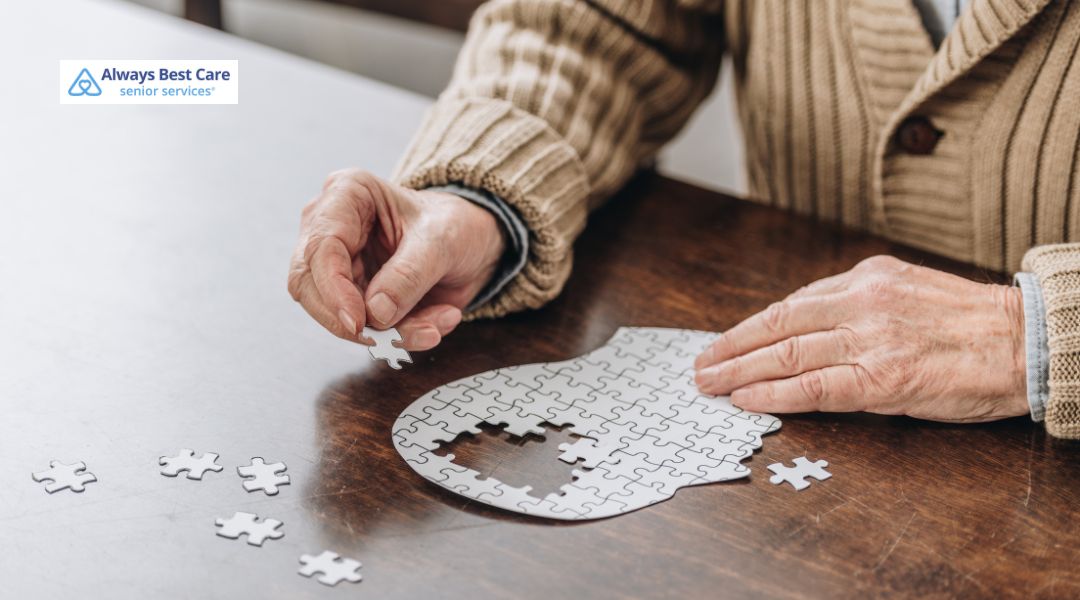
Home should feel familiar, comforting, and safe. For seniors living with dementia, though, even the most familiar spaces can slowly become confusing. A hallway may seem unfamiliar. A once-simple task might suddenly feel overwhelming. It’s not just about memory; it’s about how the environment either supports or challenges daily life.
That’s why designing a Safe and Dementia-Friendly Home Environment in Princeton plays such an important role in helping seniors stay independent while easing stress for families. With a few thoughtful changes, a home can shift from frustrating to reassuring, from risky to supportive.
What you will learn:
- How dementia affects seniors’ safety, comfort, and daily life at home.
- Simple ways to create a more supportive and easy-to-navigate living environment.
- Key adjustments that can reduce risks and promote independence at home.
- When it may be time to bring in professional support for added peace of mind.
Table of Contents
Understanding Dementia and Home Safety
Dementia changes how a person sees and interacts with the world. Depth perception can become unreliable, shadows may look like obstacles, and everyday objects can lose their meaning. It’s easy to assume the home is still “safe enough,” but small details often make the biggest difference.
A cluttered walkway, poor lighting, or even a noisy room can increase confusion or anxiety. Over time, these challenges can lead to falls, agitation, or withdrawal. Creating a safer environment starts with seeing the home through your loved one’s eyes, not your own.

Designing a Safe and Dementia-Friendly Home Environment in Princeton
The goal isn’t to overhaul everything overnight. It’s about making gradual, meaningful adjustments that reduce stress and support familiarity.
Start with simplicity. Clear spaces tend to feel calmer and easier to navigate. Too much furniture or décor can overwhelm someone who’s already struggling to process their surroundings. Keeping things consistent helps too. Rearranging furniture might seem harmless, but for someone with dementia, it can feel like stepping into a completely different place.
Lighting matters more than most people expect. Dim areas can cast shadows that cause confusion, while overly bright lighting can feel harsh. A balanced, well-lit space helps seniors move around with more confidence and less hesitation.
Key Safety Adjustments Around the Home
Safety doesn’t always come down to big renovations. Often, it’s the small, practical tweaks that bring peace of mind.
In the bathroom, grab bars and non-slip mats can prevent dangerous falls. In the kitchen, keeping frequently used items within easy reach reduces frustration. Appliances with automatic shut-off features can quietly eliminate risks.
Doors and entryways deserve special attention. Some families choose to install simple alarms or locks to prevent wandering, especially during the night. It’s not about restriction, it’s about protection.
Creating Comfort Through Familiarity
Familiarity is grounding. It brings a sense of calm when everything else feels uncertain.
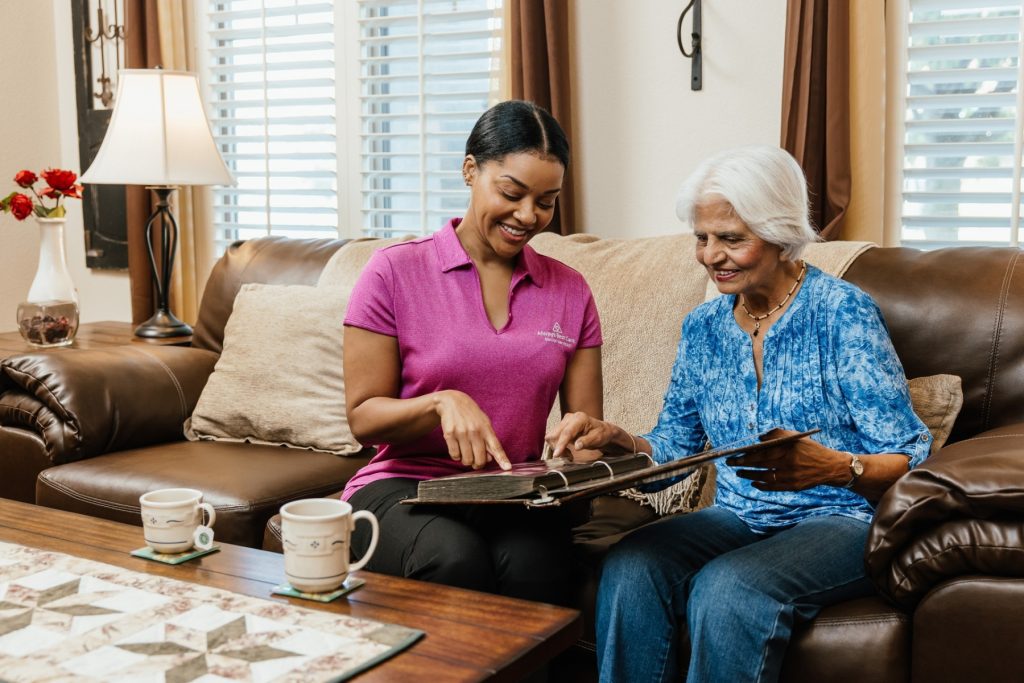
Photos, favorite blankets, or a well-loved chair can instantly make a space feel safe. Even something as simple as keeping personal items in the same place each day can reduce anxiety.
Visual cues help, too. Labels on drawers or signs on doors can gently guide someone without making them feel dependent. These small touches often go unnoticed by others, but they can make daily life smoother and less stressful.
Supporting Daily Routines at Home
Routine becomes a steady anchor amid memory loss. Without it, days can feel disjointed or confusing.
Keeping a consistent schedule for meals, activities, and rest helps create a predictable rhythm. Familiar activities, like folding laundry, listening to music, or taking short walks, offer both comfort and a sense of purpose.
It’s not about filling every hour. Sometimes, the quiet moments, sitting together, sharing a cup of tea, are what matter most.
When Extra Support Makes a Difference
There comes a point when small adjustments at home may not be enough on their own. That doesn’t mean something has gone wrong. It simply means that more support could help maintain safety and quality of life.
Professional caregivers can step in to provide guidance, structure, and companionship. They help maintain routines, reduce risks, and offer reassurance during moments of confusion. For families, it lifts a weight that’s often been building quietly over time.
Designing a Safe and Dementia-Friendly Home Environment in Princeton becomes even more effective when paired with compassionate, in-home care that adapts as needs change.
Frequently Asked Questions
Q: What makes a home dementia-friendly?
A: A dementia-friendly home is designed to reduce confusion, improve safety, and support independence through simple layouts, clear lighting, and familiar surroundings.
Q: How can I make my home safer for a loved one with dementia?
A: Focus on reducing clutter, improving lighting, adding safety features like grab bars, and maintaining consistent layouts to prevent disorientation.
Q: When should I consider professional in-home care?
A: It’s time to consider support when safety concerns increase, routines become difficult to manage, or caregiving starts to feel overwhelming.
Q`: Can home modifications really improve quality of life?
A: Yes, thoughtful changes can reduce anxiety, prevent accidents, and help seniors feel more confident and comfortable in their daily routines.
A Safer Path Forward at Home
Creating a supportive environment isn’t about perfection. It’s about intention. Each small change adds up, shaping a home that feels steady, safe, and reassuring.
If you’re thinking about designing a Safe and Dementia-Friendly Home Environment in Princeton, you don’t have to figure it out alone. Reach out to Always Best Care of Princeton at (843) 628-5634 to learn how personalized in-home support can help your loved one stay safe, comfortable, and connected right where they belong.
Link to the Markdown File version of the article