

The Connection Between Physical Activity and Brain Health for Seniors in Princeton

On any given day in Princeton, you might spot seniors enjoying a quiet walk, tending to a garden, or stretching gently in the morning sun. It may seem simple, almost routine, but these small moments of movement play a powerful role in keeping the mind sharp.
At Always Best Care of Princeton, supporting seniors goes beyond daily assistance; it’s about helping them stay engaged, independent, and mentally sharp. Understanding the Connection Between Physical Activity and Brain Health for Seniors in Princeton gives families the insight they need to encourage healthy routines that truly make a difference over time.
What you will learn:
- How physical activity supports brain health and cognitive function in seniors.
- The connection between movement, memory, and overall mental well-being as we age.
- Simple ways seniors can stay active safely and consistently in their daily routines.
- How local support in Princeton can help seniors stay engaged, healthy, and mentally sharp.
Table of Contents
Understanding the Mind-Body Connection in Aging
The body and brain are deeply connected, constantly working in tandem. When movement becomes part of daily life, the brain benefits from increased blood flow and a steady supply of oxygen. That internal boost helps maintain focus, memory, and overall cognitive function.
Without regular activity, that connection can weaken over time. Days may feel slower, thoughts less sharp, and energy harder to come by. Even so, it doesn’t take much to restore that balance; just consistent, gentle movement can begin to shift things in the right direction.

How Physical Activity Supports Brain Health
Improved Blood Flow and Oxygen to the Brain
As the heart rate rises during physical activity, circulation improves, sending oxygen-rich blood to the brain. This process supports brain cell function and helps maintain mental clarity. Over time, it can contribute to better recall and quicker thinking.
Impact on Memory, Focus, and Cognitive Function
Physical activity has a quiet but noticeable effect on how the brain processes information. Seniors who stay active often find it easier to concentrate, follow conversations, and stay mentally engaged. These benefits build gradually, creating a stronger sense of confidence in daily life.
Types of Physical Activities That Benefit Seniors
Low-Impact Exercises for Daily Movement
Gentle activities often provide the greatest consistency. Walking through a local park, stretching at home, or practicing light yoga can keep the body moving without placing unnecessary strain on the joints. These routines are easier to maintain, which makes them especially valuable over time.

Strength, Balance, and Flexibility Activities
Adding variety to movement can enhance both physical stability and mental awareness. Exercises that improve balance and strength help reduce the risk of falls while also engaging the brain. Activities such as tai chi or light resistance training encourage coordination, focus, and control.
Mental Health Benefits of Staying Active
Movement has a way of lifting more than just the body. A short walk or a bit of stretching can ease tension, improve mood, and bring a sense of calm. On days that feel sluggish, even a little activity can shift the tone entirely.
There’s also a social side to staying active. Whether it’s joining a local class or simply walking with a friend, these interactions can help seniors feel connected and supported, which plays an important role in cognitive health.
Risks of a Sedentary Lifestyle in Older Adults
A slower pace of life can gradually turn into long stretches of inactivity, and that’s where challenges begin to surface. Without regular movement, circulation may decline, energy levels can drop, and cognitive function may begin to dull.
Over time, this pattern can contribute to memory issues and reduced mental sharpness. Breaking that cycle doesn’t require dramatic change. Even small, consistent efforts can help restore a sense of balance.

Creating a Safe and Sustainable Exercise Routine
Building a routine that lasts often starts with simplicity. Familiar activities, done regularly, tend to stick. A short daily walk, light stretching, or gentle movement throughout the day can become part of a rhythm that feels comfortable rather than forced.
Paying attention to how the body responds is equally important. Gradual progress, paired with guidance from healthcare providers when needed, helps ensure that activity remains both safe and beneficial.
Local Opportunities for Senior Activity in Princeton
Princeton offers a welcoming environment for seniors who want to stay active. Local parks, walking paths, and community spaces provide opportunities to move at a comfortable pace while enjoying the surroundings.
Community programs designed for older adults can add structure and motivation, making it easier to stay consistent. Being part of a local network also brings a sense of connection that supports both mental and emotional well-being.

How Always Best Care of Princeton Can Help
Always Best Care of Princeton understands that staying active is about more than physical movement; it’s about maintaining independence and quality of life. Their caregivers provide thoughtful support, helping seniors incorporate safe and appropriate activity into their daily routines.
With a steady presence and a focus on personalized care, they help seniors stay engaged while offering families reassurance that their loved ones are supported every step of the way.
Frequently Asked Questions
Q: How does physical activity support brain health in seniors?
A: Physical activity improves blood flow to the brain, supports memory, and helps maintain cognitive function over time.
Q: What types of activities are suitable for older adults?
A: Low-impact exercises such as walking, stretching, and balance-focused activities are often well-suited for seniors.
Q: Can staying active help prevent memory loss?
A: Regular movement may help slow cognitive decline and support overall brain health as people age.
Q: How often should seniors engage in physical activity?
A: Consistent, moderate activity throughout the week is generally beneficial, even in shorter sessions.
Q: Is it safe to begin exercising later in life?
A: Yes, starting slowly and choosing appropriate activities can help seniors safely build a routine.
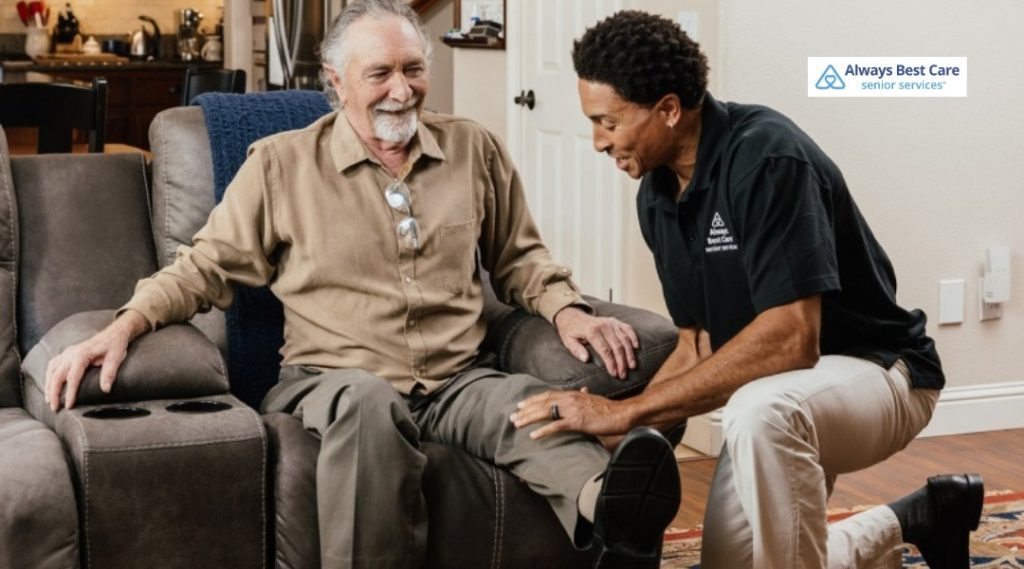
Staying Active for a Sharper Mind
Staying active doesn’t have to mean doing more; it simply means doing enough, consistently. In a place like Princeton, where opportunities for gentle movement and community connection are easy to find, seniors can maintain both physical and mental vitality.
For families who want added support, Always Best Care of Princeton offers compassionate guidance and care tailored to each senior’s needs. Reach out today at (843) 628-5634 to learn how their team can help your loved one stay active, engaged, and mentally sharp through every season of life.
Link to the Markdown File version of the article