Stroke Prevention Tips for Seniors in Princeton: Protecting Brain Health Through Healthy Habits
Stroke is one of the leading causes of disability and death among older adults in the United States. While the statistics can feel alarming, the reality is that up to 80% of strokes are preventable. For seniors in Princeton, building a few consistent habits and staying on top of key health markers can make a profound difference in long-term brain health and independence.
This guide breaks down the most effective, evidence-backed strategies seniors and their families can use to reduce stroke risk, as well as what to do when extra support is needed.
What you will learn:
- Why stroke risk increases with age, and how conditions like blood pressure, diabetes, and cholesterol affect brain health for seniors in Princeton.
- The everyday healthy habits that protect brain and heart health include regular physical activity, nourishing foods, and consistent management of key health markers.
- How warm, reliable caregiving support helps seniors stay on track with prevention routines and enjoy greater independence with confidence.
Table of Contents
Why Stroke Risk Rises with Age
The brain relies on a steady supply of oxygen-rich blood. A stroke occurs when the supply is interrupted either by a blocked artery (ischemic stroke) or a burst blood vessel (hemorrhagic stroke). As the body ages, blood vessels naturally become less flexible, and the likelihood of conditions like high blood pressure, diabetes, and atrial fibrillation increases, all of which elevate stroke risk.
Age itself cannot be changed, but the conditions that accelerate risk absolutely can be managed.
Control Blood Pressure: The Single Biggest Factor
High blood pressure is responsible for nearly half of all strokes. When arterial pressure remains elevated, it gradually weakens the vessel walls and increases the risk of a blockage or rupture in the brain.
For seniors, keeping blood pressure in a healthy range is the most impactful thing they can do. Practical steps include:
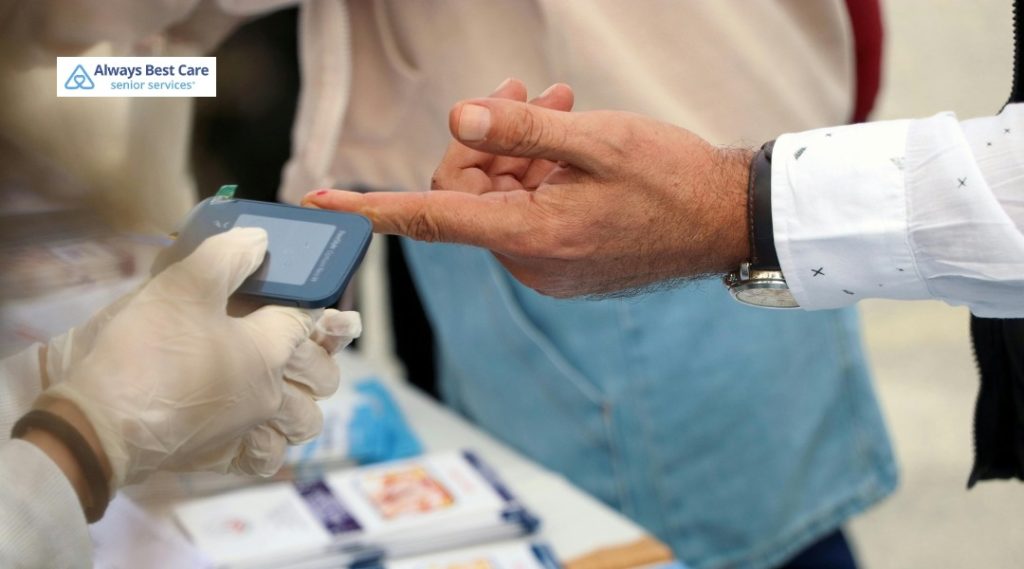
- Checking blood pressure regularly at home with a monitor or during routine medical visits
- Taking prescribed medications consistently, skipping doses, even occasionally, can cause dangerous spikes
- Reducing sodium in processed foods, canned soups, and restaurant meals is a common hidden source
- Limiting alcohol consumption, which can raise blood pressure over time
- Managing stress through relaxation techniques, social connection, or light physical activity
Small, consistent changes in these areas can meaningfully lower blood pressure over weeks and months.
Keep Blood Sugar in Check
Diabetes doubles the risk of stroke. High blood sugar damages the walls of blood vessels over time, making them more prone to blockages. Many seniors with Type 2 diabetes may not realize how directly their glucose management connects to brain health.
Key strategies for managing blood sugar include following a low-glycemic meal plan, staying active, monitoring levels as directed by a physician, and taking medications on schedule. Even prediabetes often overlooked, warrants attention and lifestyle adjustments.
Address Cholesterol Proactively
Excess LDL cholesterol contributes to plaque buildup inside arteries, narrowing the pathways blood uses to reach the brain. Over time, this buildup can lead to a clot or complete blockage.
Seniors can support healthy cholesterol levels by:
- Choosing foods rich in fiber, such as oats, legumes, and leafy greens
- Replacing saturated fats (found in red meat and full-fat dairy) with healthy fats like olive oil, avocado, and nuts
- Following any statin or cholesterol-lowering medication plan prescribed by their doctor
- Getting cholesterol levels checked at least once a year
Move More: Even a Little Goes a Long Way
Regular physical activity improves circulation, helps maintain a healthy weight, lowers blood pressure, and reduces inflammation, all factors that directly impact stroke risk. The good news for seniors is that moderate movement is enough to see real benefits.
Effective, low-impact options include:
- Daily walks, even 20 to 30 minutes around the neighborhood, make a difference
- Chair-based exercises for those with limited mobility
- Tai chi or gentle yoga, which also improve balance and reduce fall risk
- Swimming or water aerobics, which are easy on the joints
Consistency matters more than intensity. Finding an activity that feels enjoyable and sustainable is the key to sticking with it long-term.
Eat to Protect the Brain
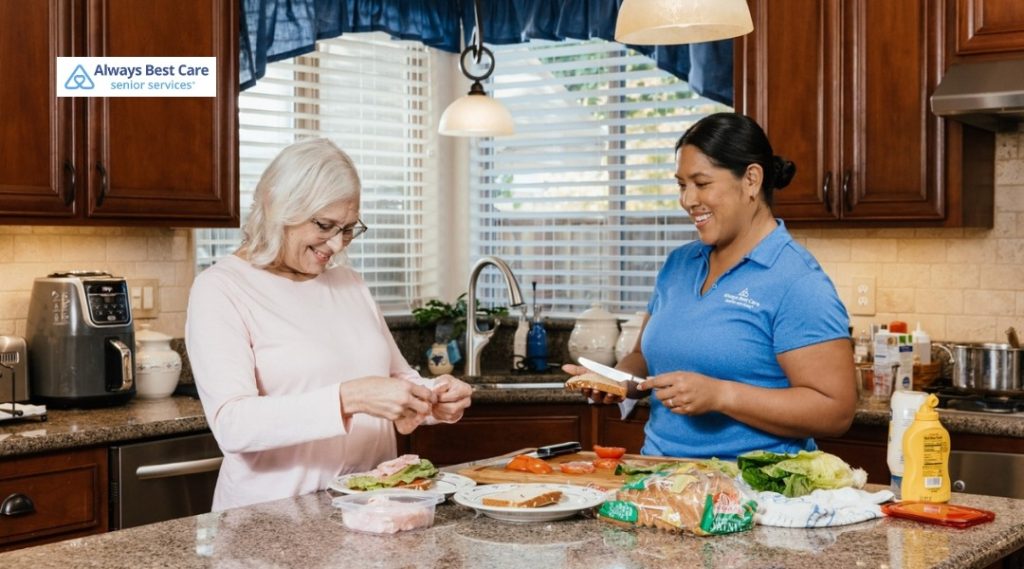
Diet has a direct influence on blood pressure, cholesterol, blood sugar, and body weight, four of the most significant stroke risk factors. A brain-protective diet does not need to be complicated.
Focus on:
- Fruits and vegetables at every meal, particularly leafy greens and berries
- Whole grains such as brown rice, quinoa, and whole wheat bread
- Lean proteins, including fish (especially fatty fish like salmon), poultry, and legumes
- Healthy fats from sources like olive oil, walnuts, and flaxseed
- Reduced sodium and processed food intake
Staying well-hydrated throughout the day also supports healthy circulation and overall cardiovascular function.
The Role of Caregiving Support in Princeton
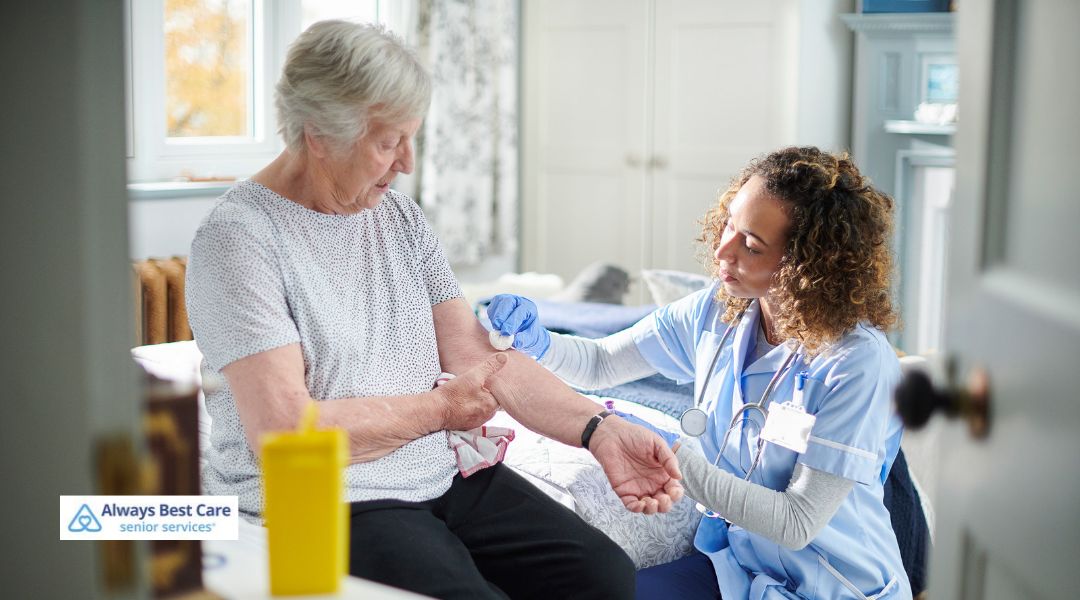
For many seniors, the challenge is not knowing what to do, but it is doing it consistently, especially when managing multiple health conditions or living alone. This is where in-home caregiving support can be genuinely life-changing.
A dedicated caregiver can help seniors:
- Prepare nutritious, balanced meals tailored to their health needs
- Stay on schedule with medications and doctor appointments
- Engage in light daily activity and social interaction
- Monitor for early warning signs of health changes and communicate concerns to family or medical providers
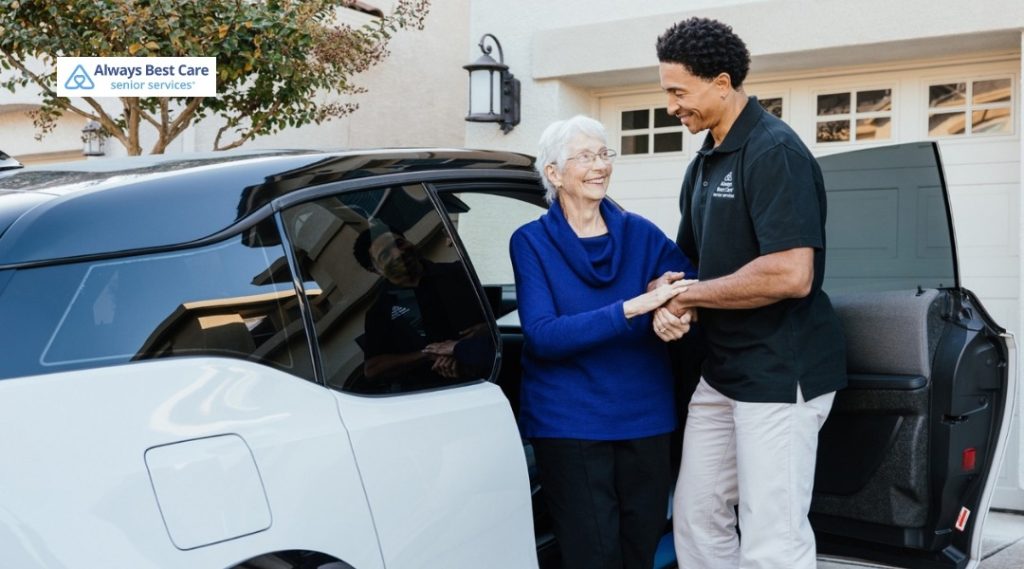
This kind of consistent, attentive support creates the daily structure that makes healthy habits sustainable and keeps seniors safer at home.
Frequently Asked Questions
Q: What are the early warning signs of a stroke?
A: The most recognized signs can be remembered with the acronym FAST: Face drooping, Arm weakness, Speech difficulty, and Time to call 911. Other symptoms may include sudden confusion, vision problems, severe headache, or loss of balance. If any of these occur, seek emergency care immediately.
Q: At what age does stroke risk significantly increase?
A: Stroke risk roughly doubles every decade after age 55. However, lifestyle factors, not age alone, determine how much that risk actually increases for any individual.
Q: Can stroke be prevented if it runs in the family?
A: A family history of stroke does raise risk, but it does not make stroke inevitable. Managing controllable risk factors such as blood pressure, diet, and physical activity can significantly mitigate the impact of genetic predisposition.
Q: How does atrial fibrillation (AFib) relate to stroke?
A: AFib is an irregular heart rhythm that can cause blood to pool and clot in the heart. If a clot travels to the brain, it causes a stroke. Seniors with AFib are five times more likely to have a stroke, making proper diagnosis and treatment essential.
Q: Is it too late to make lifestyle changes after a certain age?
A: No. Research consistently shows that lifestyle improvements, even in one’s 70s and 80s, can meaningfully reduce stroke risk and improve overall health outcomes. It is never too late to start.
Q: How can a caregiver help with stroke prevention?
A: Caregivers play a practical, day-to-day role in supporting the habits that reduce stroke risk, from meal preparation and medication reminders to encouraging physical activity and monitoring health changes. Their presence also reduces isolation, which is itself a risk factor for poor health outcomes in seniors.
Supporting Healthy Aging in Princeton
Stroke prevention is not a single action; it is a collection of daily habits, supported by the right people and resources. At Always Best Care of Princeton, our caregivers are committed to helping seniors live healthier, more independent lives at home.
Call Always Best Care of Princeton today at (609) 455-2886 to schedule a free care consultation and learn how we can support your loved one’s health and well-being.
Link to the Markdown File version of the article