Senior Scams: How to Recognize the Warning Signs and Protect Your Loved One in Princeton, NJ
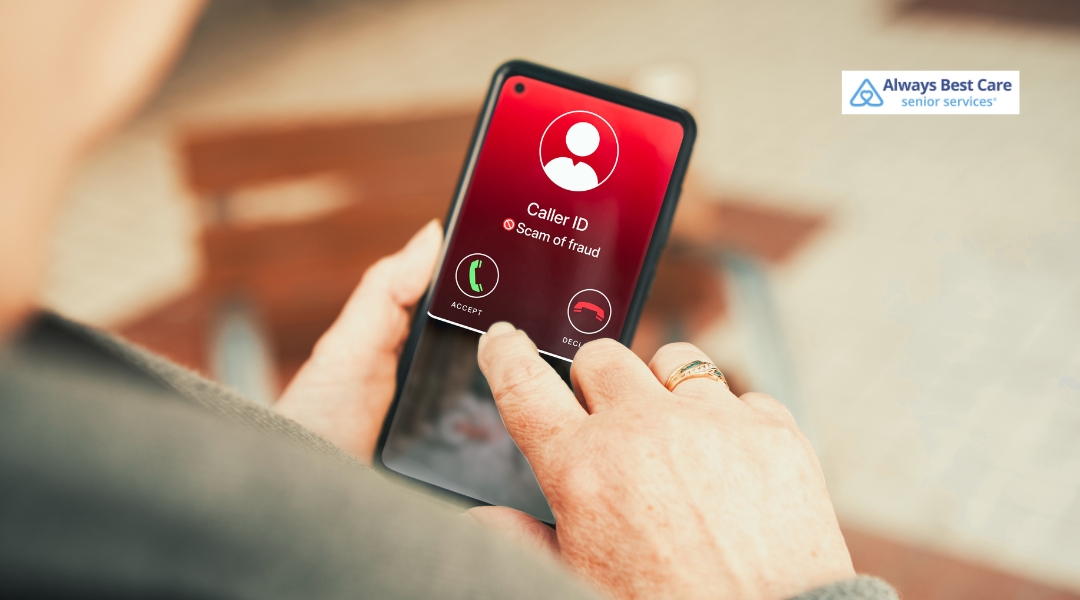
Scams targeting older adults aren’t just annoying; they’re heartbreaking. One phone call, one click, one “too good to be true” offer, and suddenly a parent or grandparent is out thousands of dollars and feeling betrayed.
In Princeton, NJ, we see this all the time. Seniors are often viewed as easy targets because they’re polite, financially stable, and sometimes less comfortable with newer technology. Add in a bit of loneliness or isolation, and scammers pounce.
The upside? With knowledge, conversation, and the right support, we can cut scammers off at the pass and help keep our loved ones safe.
What you will learn:
- Why older adults are often targeted by scammers and the everyday factors that can make them more vulnerable.
- The most common senior scams in Princeton, NJ and the warning signs families should watch for.
- Simple, caring ways families can help loved ones stay alert, verify requests, and avoid fraud.
- How in-home care and regular companionship can add extra protection and peace of mind at home.
Table of Contents
Why Seniors Are Often Targeted by Scammers
Scammers aren’t just lucky, they’re strategic. They know exactly who they’re going after and why. Older adults are often targeted because they may:
- Be more trusting or polite with strangers, especially on the phone
- Have savings, retirement funds, or a steady income
- Live alone or have fewer day-to-day social connections
- Feel less confident with technology, email, or online banking
Put all that together, and it becomes easier for a scammer to build trust, spin a story, and slowly manipulate someone into handing over money or personal information.
Common Senior Scams in Princeton, NJ
Scammers are clever, but they’re not very original. Many scams follow familiar patterns. Once we recognize them, it’s much easier to shut them down.
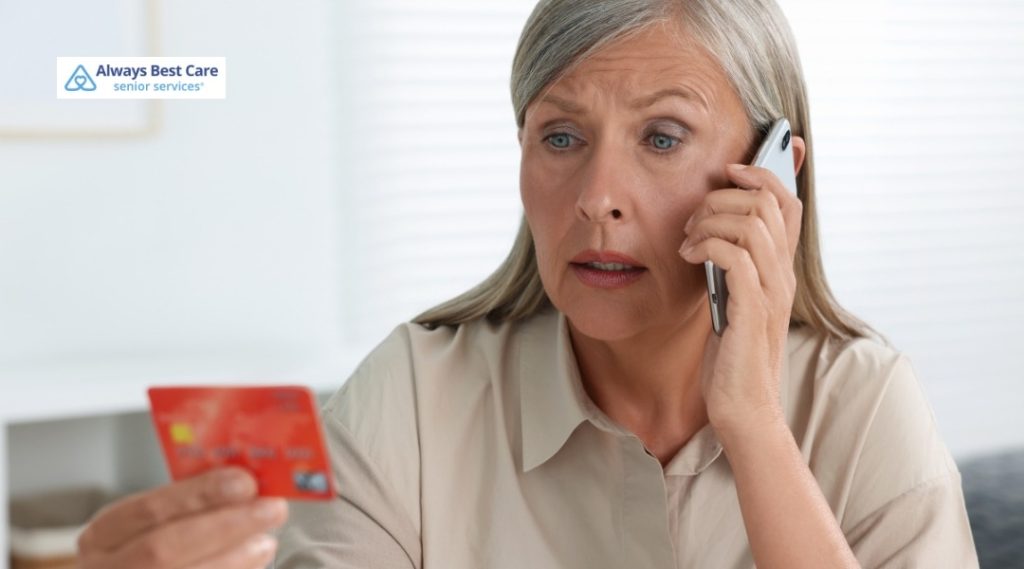
Phone Scams
A classic. Someone calls and:
- Claims to be from the government, IRS, Social Security, or Medicare
- Pretends to be a utility company about to cut off service
- Poses as a grandchild or relative in trouble, needing money wired immediately
They usually create panic: “Act now, or else!” That urgency is a huge red flag.
Email and Phishing Scams
These scams slide into inboxes and text messages, looking legitimate. Messages may:
- Appear to be from a bank, insurance company, or healthcare provider
- Ask the senior to click a link to “verify” information or “restore access”
- Lead to fake websites that capture account numbers, passwords, or Social Security numbers
One careless click, and sensitive information can land right in a scammer’s lap.
Sweepstakes and Lottery Scams
“Congratulations, you’ve won!” Sure sounds nice…until the catch shows up. Seniors may be told:
- They’ve won a prize, a lottery, or a vacation
- They must pay fees, taxes, or processing costs before receiving it
Of course, there’s no prize, just money flowing one way: out.
Romance Scams
These scams can be especially painful. A scammer:
- Creates a fake profile on a dating site or social media
- Builds a long-distance emotional relationship
- Eventually asks for money for a “medical emergency,” “travel,” or “business problem”
The victim isn’t just losing money; their feelings are being used against them.
Tech Support Scams
You’ve probably seen it: a sudden pop-up declaring, “Your computer is infected!” Or a call claiming there’s a serious problem. The scammer may:
- Ask for remote access to the computer
- Charge for “repairs” or “security software” that aren’t needed
- Install software to steal personal or financial data
If someone unexpectedly offers tech help out of the blue, it’s usually trouble.
Warning Signs of Senior Scams: What Should You Watch For?
Scams often share the same warning signs. If you spot these, it’s time to stop and double-check.
Look out for:
- Requests for immediate payment or urgent action
- Demands for gift cards, wire transfers, or cryptocurrency
- Unsolicited calls, emails, or texts asking for personal details
- Messages that create fear, panic, or pressure
- Requests to keep secrets from family or friends
If something feels “off,” it probably is. Encourage your loved one to hang up, delete the email, or say, “I’ll need to check with my family first,” and then talk it over.
How Families in Princeton, NJ Can Help Protect Loved Ones
We don’t have to stand on the sidelines watching this happen. Families play a powerful role in prevention. A few simple habits can make a big difference:
- Talk openly about common scams and share real examples
- Agree on a rule: no major payments or sharing personal info without checking with someone trusted
- Review bank and credit card statements for unusual charges
- Help set up call blocking, spam filters, and strong passwords
- Remind your loved one that it’s never rude to hang up on a suspicious call
Most importantly, create an atmosphere where questions are welcome. If a senior is afraid of being judged or scolded, they’re less likely to speak up until it’s too late.
How In-Home Care Helps Prevent Senior Scams
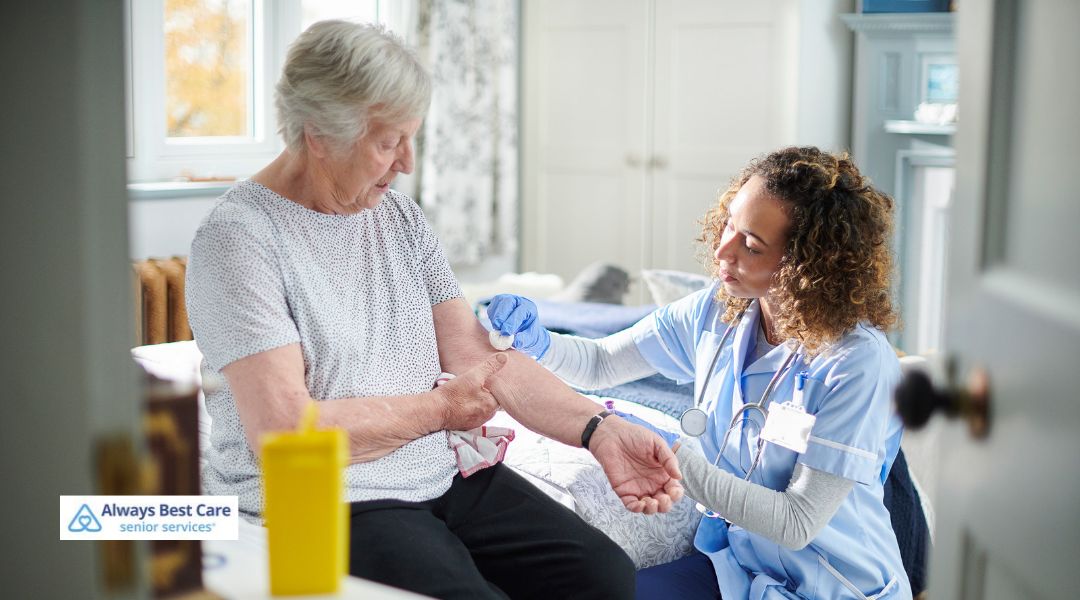
Having the right in-home support does more than help with daily tasks; it can help protect against scams.
At Always Best Care of Princeton, we notice subtle changes and small warning signs that families might miss during quick visits. As caregivers, we can:
- Screen phone calls and unexpected visitors
- Notice changes in mood, spending, or mail, like sudden piles of sweepstakes letters
- Offer companionship, reducing loneliness that scammers often exploit
- Encourage regular communication with family about money and unusual contacts
Because we spend time at home, we may spot “little” things like repeated calls from unknown numbers or new, confusing bills that hint that something isn’t right.
We walk alongside families, helping create routines and boundaries that keep seniors feeling both safe and respected.
What Should You Do If You Suspect a Scam?
If your loved one might have been targeted—or you’re sure they’ve been scammed—acting quickly can limit the damage. Here’s a practical game plan:
- Contact the bank or credit card company immediately to freeze or flag accounts.
- Report the scam to local law enforcement or adult protective services.
- Monitor accounts closely for any new suspicious activity.
- Change passwords on email, banking, and important websites.
- Offer emotional support—remind your loved one that scammers are skilled at what they do, and this isn’t their fault.
Many older adults feel ashamed, which may keep them quiet. A calm, nonjudgmental response makes it much easier for them to open up about what happened.

Frequently Asked Questions
Q: How can I talk to my parent about scams without scaring or offending them?
A: Try framing it as something you’re learning too: “There are so many new scams out there, I just heard about one and wanted to make sure we’re both protected.” Keeping it a shared problem rather than a lecture usually works better.
Q: My loved one keeps answering unknown calls. What can we do?
A: Consider call blocking, caller ID screening, and letting unknown numbers go to voicemail. You can also agree on a simple rule: they only return calls to numbers they recognize or that you’ve confirmed together.
Q: Are scams more common for seniors who live alone?
A: Isolation often makes people more vulnerable. With fewer daily interactions, a friendly voice on the phone or online can feel comforting, and that’s exactly what scammers exploit. Regular visits, calls, and in-home support can help reduce that risk.
Q: Can caregivers really help prevent scams?
A: Yes. Caregivers who are regularly in the home can notice patterns of sudden, frequent calls, new “friends,” unusual mail, or changes in spending and can quickly bring those concerns to the family. At Always Best Care of Princeton, NJ, we view scam awareness as part of keeping seniors safe.
Q: What’s the most important rule to share with my loved one?
A: A simple one: Never give out personal or financial information, or send money, to anyone who contacts you unexpectedly, no matter who they say they are, without checking with a trusted family member first.
Staying One Step Ahead in Princeton
At Always Best Care of Princeton, we’re committed to helping seniors live safely and comfortably at home, with caregivers who provide practical assistance and an added layer of awareness. Together, we can protect the people who once protected us, and keep scammers firmly on the outside looking in.
If your loved one could use extra support, caring companionship, and an added layer of awareness at home, reach out to Always Best Care of Princeton, NJ at (609) 455-2886 to schedule a free care consultation and learn how their team can help your family stay safer and better supported.
Link to the Markdown File version of the article